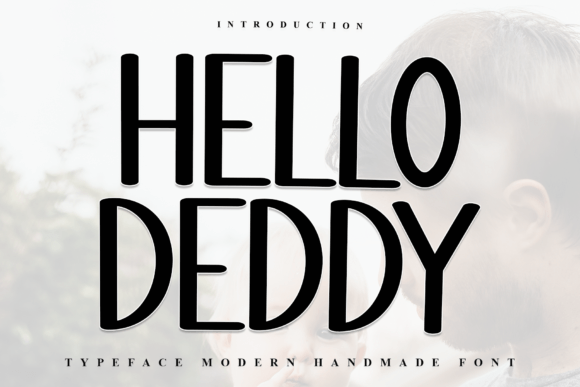
Hello Deddy: A Fresh Sans Serif Font for Makers
As a small shop owner and creator of handmade goods, I have learned that the right typeface can make or break a product listing. We spend hours perfecting our candle pours, stitching our tote bags, and designing our printable planners, but if the typography feels off, the entire piece loses its impact. This is why discovering Hello Deddy felt like finding a missing puzzle piece in my design toolkit. It is not just another digital asset; it is a charming sans serif font that brings a sense of freshness and casual elegance to every project it touches.
In the world of craft and commercial design, we are often torn between two extremes: the overly decorative script that is hard to read at a distance, and the rigid, corporate sans serifs that lack soul. Hello Deddy sits comfortably in the sweet spot between these two worlds. Its fluid strokes and organic lines evoke a laid-back vibe that feels intentional yet effortless. For those of us creating physical products, labels, stickers, and invitations, this balance is crucial. We need fonts that attract attention on a crowded Etsy search page while remaining legible on a small product tag.
Why Organic Lines Matter for Handmade Brands
The visual personality of Hello Deddy is defined by its subtle imperfections. Unlike geometric fonts that rely on perfect circles and straight lines, this typeface incorporates slight variations in stroke width and curvature. These details mimic the natural movement of a hand, which resonates deeply with customers who value artisanal quality. When you use this font on a farmhouse sign or a wedding welcome board, it reinforces the narrative that the item was made with care, not mass-produced by a machine.
This aesthetic is particularly powerful for brand identity. Consistency is key when building a recognizable shop. If your logo, packaging, and social media graphics all utilize the warm, approachable tone of Hello Deddy, you create a cohesive brand experience. Customers begin to associate that specific typographic voice with your level of quality and service. Whether you are selling boutique soaps, custom stationery, or digital downloads, this consistency helps build trust and emotional appeal.
Practical Applications for Crafters and Sellers
One of the strongest advantages of Hello Deddy is its versatility across different mediums. As a maker, I need a font that performs well whether it is being printed on cardstock, cut from vinyl, or displayed on a screen. Here are several ways this font shines in real-world projects:
- Product Labels and Packaging: For candle makers and soap artisans, label readability is paramount. Hello Deddy works beautifully for product names and scent descriptions. Its open counters and clear letterforms ensure that text remains legible even on small, circular labels. It adds a premium feel to minimalist packaging without overpowering the design.
- Invitations and Stationery: Wedding and event planners will appreciate how this font handles both titles and body text. It is elegant enough for a formal invitation yet relaxed enough for a birthday party invite. When paired with a delicate floral illustration, it creates a sophisticated, modern look that appeals to contemporary couples.
- Stickers and Decals: For Cricut and Silhouette users, clean paths are essential for smooth cutting. Hello Deddy’s simplified shapes make it ideal for vinyl decals. Whether you are creating laptop stickers, water bottle labels, or car decals, the font maintains its integrity at various sizes.
- Digital Printables and Planner Pages: If you sell digital downloads, such as weekly planners or habit trackers, this font adds a friendly, motivating tone. It is less intimidating than stark corporate fonts, making users feel more inclined to engage with the content.
- Apparel and Tote Bags: When heat-pressing designs onto fabric, simplicity often wins. Hello Deddy looks fantastic on t-shirts and tote bags, especially when used for short, impactful phrases. Its casual elegance complements the soft texture of cotton and canvas.
Readability and Technical Considerations
While aesthetics are important, functionality cannot be ignored. Hello Deddy is primarily a display font, meaning it is designed to catch the eye in headlines, titles, and short phrases. It is not intended for long paragraphs of text. For product descriptions or detailed instructions, it is best to pair it with a highly readable secondary font. However, for its intended purpose—names, titles, and decorative wording—it excels.
When using this font for small stickers or intricate laser-cut designs, always test your scale. Because of its organic nature, some finer details might get lost if the text is too small. I recommend doing a test print or cut before running a full production batch. Check the spacing, or kerning, between letters to ensure no characters are touching unintentionally, which can cause issues with vinyl weeding or printing clarity.
Font Pairing Strategies for Maximum Impact
To get the most out of Hello Deddy, consider how it interacts with other typefaces. Since it is a sans serif font with a humanist touch, it pairs exceptionally well with contrasting styles. Here are a few combinations that work well for craft projects:
- With a Script Font: Pair Hello Deddy with a flowing handwritten font for invitations. Use the script for the couple’s names and Hello Deddy for the date and location. This contrast creates visual hierarchy and balance.
- With a Bold Serif: For a more traditional or literary look, combine it with a classic serif font. This works well for bookish-themed printables or vintage-style product tags.
- With a Minimalist Sans: If you want a ultra-modern aesthetic, pair it with a neutral, geometric sans serif. Use Hello Deddy for the main headline to add warmth, and the neutral font for supporting text.
These pairings help guide the viewer’s eye and prevent the design from feeling monotonous. Remember, the goal is complementarity, not competition. Let Hello Deddy be the star for your primary message, and use secondary fonts to support the information.
Licensing and Commercial Use
Before incorporating any new typeface into your product line, it is vital to review the licensing agreement. Most premium fonts, including Hello Deddy, come with specific terms regarding commercial use. Typically, a standard commercial license allows you to use the font in end-products that you sell, such as physical goods, printed invitations, and static digital images. However, restrictions may apply to embedding the font file itself in editable templates or web applications.
Always verify if the license covers the specific ways you intend to use the font. If you are creating SVG files for sale, ensure that the license permits distribution of designs where the font is outlined or converted to paths. Protecting your business and respecting the designer’s intellectual property is a cornerstone of professional craftsmanship. By adhering to proper licensing, you support the creative ecosystem that provides us with these beautiful design assets.
In conclusion, Hello Deddy is more than just a collection of letters; it is a tool that enhances the perceived value of your handmade creations. Its blend of casual elegance and modern readability makes it a reliable choice for a wide range of applications. From the first sketch to the final package, let this font help you tell your brand’s story with clarity and charm.